
Edinburgh, Scotland’s capital, has long been recognized for its rich cultural history and intricate urban fabric. The city thrives within its museums, tenement housing, and shops nestled in Georgian buildings. In 2022, Time Out ranked Edinburgh as the world’s best city, citing its efficiency across community building and urban systems such as public transport. However, as climate change makes its effects progressively visible at an urban level, the city inevitably runs into a pressing dilemma: how to sustain this quality of life in increasingly difficult conditions.
The journey toward this balance unfolds through several interconnected strategies, such as retrofitting, adaptive reuse, circular design, and community collaboration, each contributing to Edinburgh’s evolving vision of a sustainable urban future.
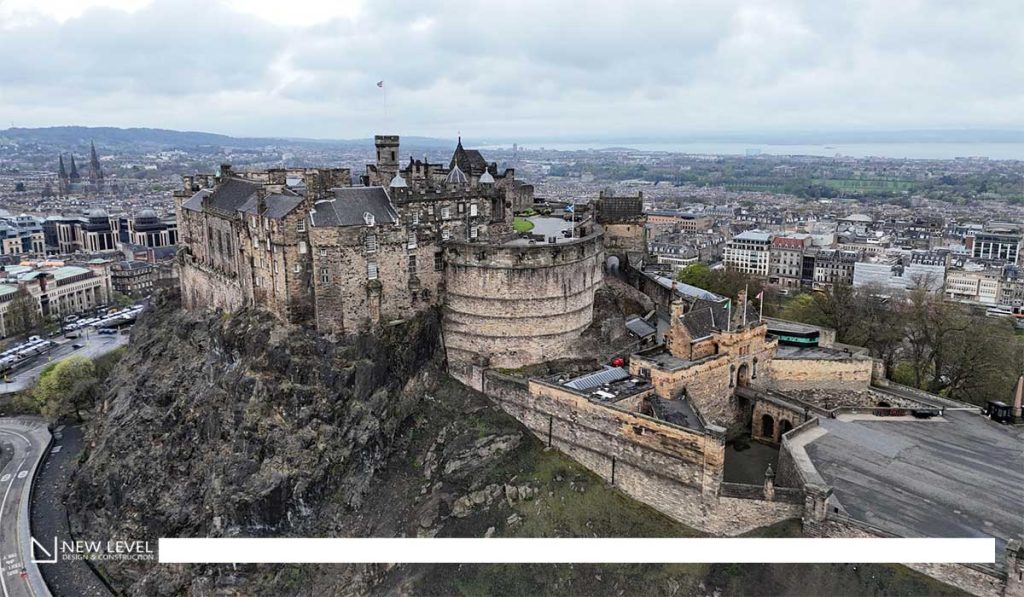
In April 2024, residents of Edinburgh took to the streets to protest the government’s inaction on climate commitments, drawing attention to Scotland’s missed emissions targets. A 2023 report from the UK Climate Change Committee forewarned that the country was not on track to meet its goal of cutting 75% of its carbon emissions by 2030.
Hotter summers, rising utility bills, and the ongoing cost-benefit debate around retrofitting homes highlight the tangible realities of the climate crisis in the capital. The challenge is deeply embedded in Edinburgh’s dense urban fabric, a cityscape of layered history and limited adaptability.
Retrofitting is the process of adapting older structures to contemporary needs, and it sits at the core of the city’s sustainable transition. It primarily addresses insulation and energy performance, areas where older buildings fall short. While these upgrades promise significant long-term benefits, the initial investment can be steep, often deterring owners from undertaking such projects.
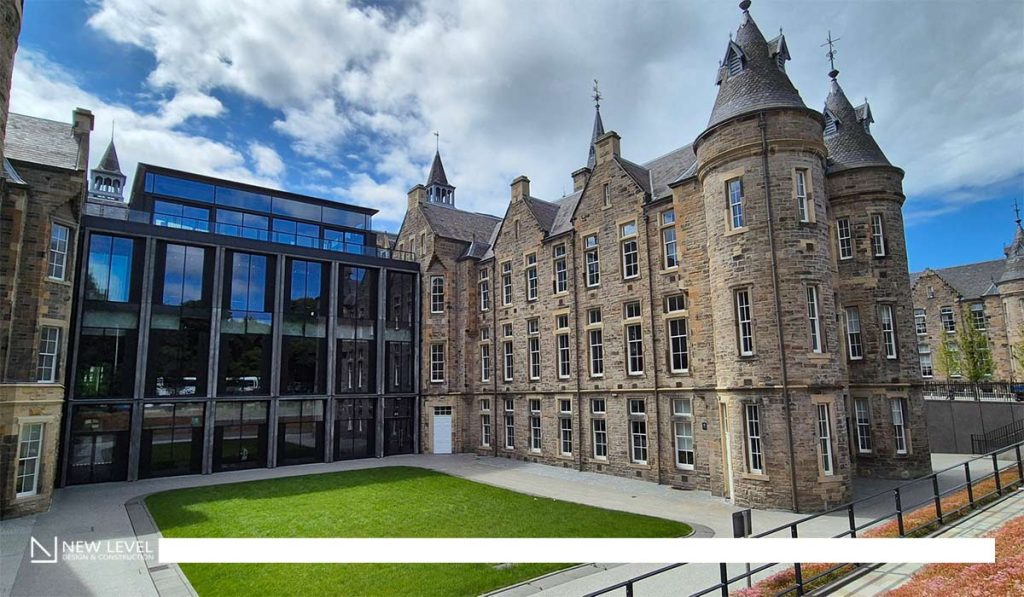
The Scottish Government’s Heat in Buildings Strategy supports this transition by promoting renewable heating systems and improved insulation. Yet uptake remains slow, particularly among households already strained by high living costs. Tenants, who make up a large portion of Edinburgh’s cosmopolitan population, have limited say in property improvements.
Financial institutions have been called upon to help bridge the affordability gap, introducing flexible loans and shared investment schemes to distribute costs between the public and private sectors. This cooperation reflects the shared responsibility needed to decarbonize one of Europe’s most historically dense cities.
Edinburgh’s UNESCO-listed Old and New Towns embody the city’s identity, standing as a constant negotiation between conservation and modernization. Retrofitting and heritage preservation often overlap, each reinforcing the other. Interventions such as internal insulation, discreet renewable energy systems, and the sensitive use of new materials in historic structures show how sustainability can respect legacy.
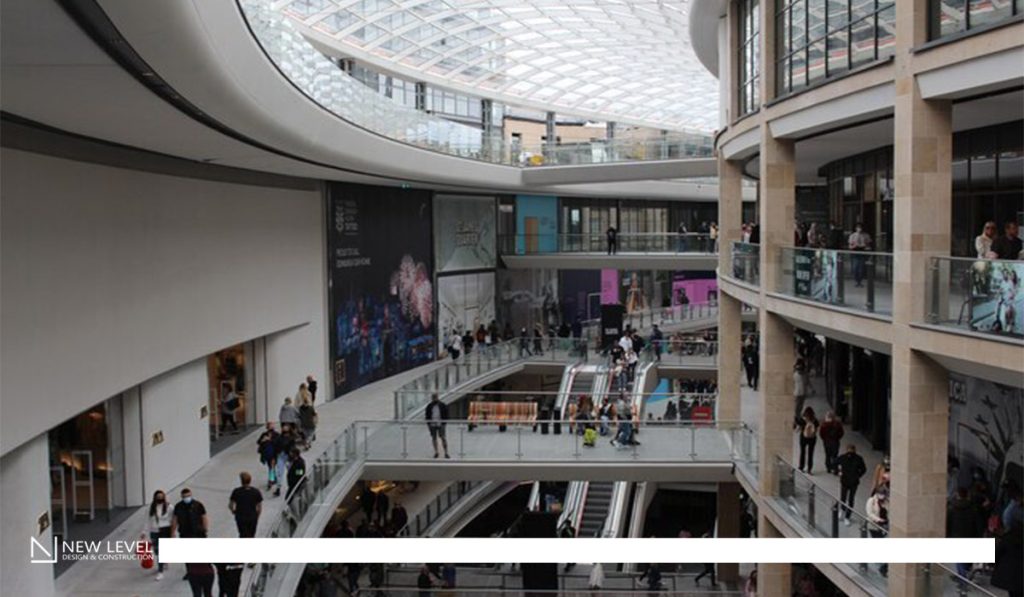
Projects like the St James Quarter demonstrate how reusing materials from demolished structures can reduce waste while maintaining a sense of continuity. These examples signal a shift towards circular construction practices that respect both the environment and the city’s architectural character.
Another facet of Edinburgh’s long-term strategy for resource efficiency is its growing interest in circular design and locally sourced materials. Architects and consultants are increasingly prioritizing the use of recycled components and regionally available resources, guided by assessments of buildings’ lifecycle impacts.
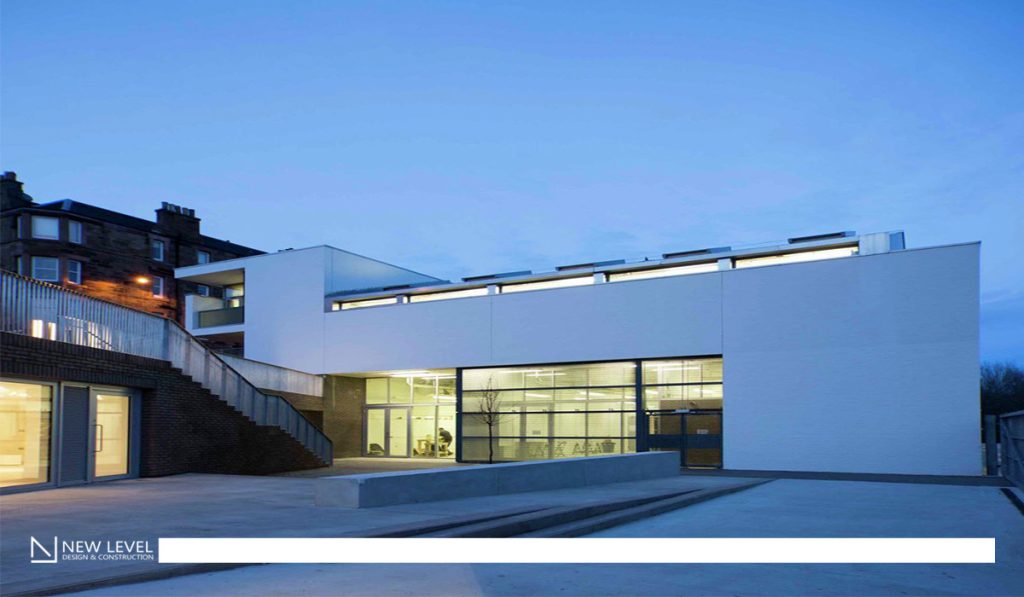
Initiatives like Circular Edinburgh foster collaboration among policymakers, institutions, and construction practices, promoting sustainable procurement and reducing waste across the sector. Circularity, in this context, becomes both a design approach and an economic model that strengthens local industries while lowering the environmental footprint of construction.
Community involvement remains central to Edinburgh’s sustainability journey. Beyond infrastructure, the city’s transition depends on the participation of its people. Organizations such as Transition Edinburgh and the Edinburgh Climate Action Network empower residents through workshops, awareness campaigns, and urban greening initiatives.
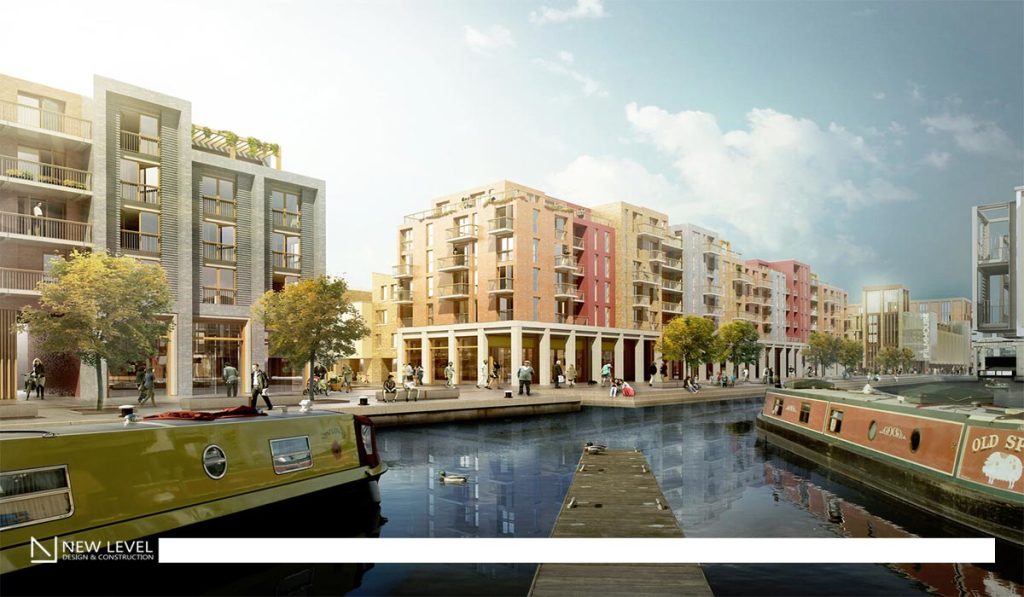
This collaborative spirit ensures that sustainability extends beyond policy documents into everyday life. When citizens, local businesses, and government bodies work together, Edinburgh transforms from a historic city adapting to climate pressures into a living model of collective resilience.
Edinburgh’s policy framework is evolving to encourage practical, equitable solutions. Incentives such as grants for energy-efficient retrofits, planning benefits for green roofs, and reduced application fees for low-carbon projects help lower barriers for individuals and developers alike.
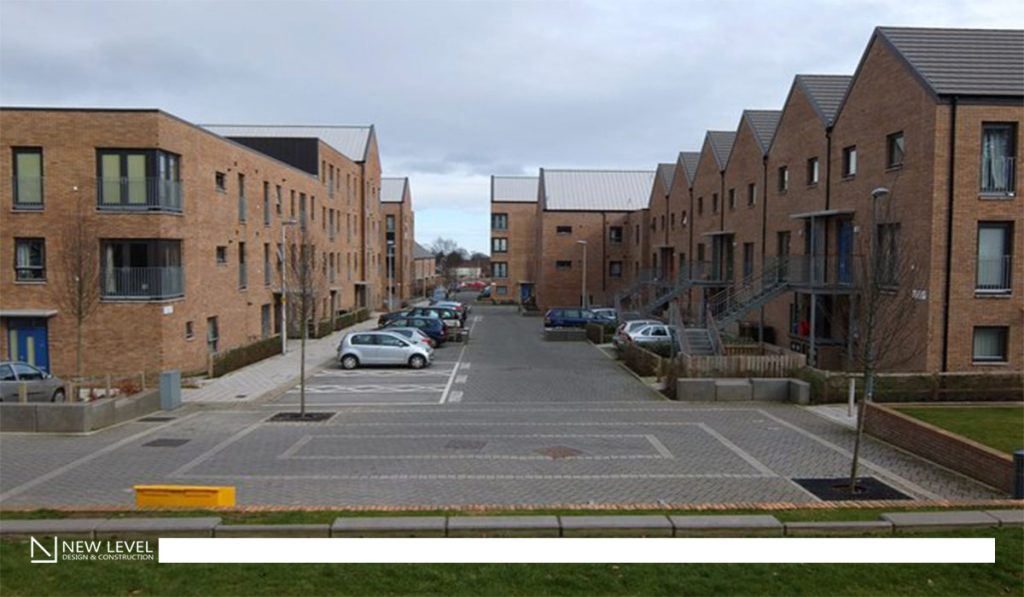
Ensuring equitable access to these financial tools is a growing concern. Without inclusive funding models, sustainability policies risk alienating lower-income groups already bearing the brunt of the energy transition. Strengthening access to public funding and community-led programs is vital to achieving a just transition.
Edinburgh’s experience mirrors broader European challenges. Cities like Prague and Barcelona are also balancing decarbonization with the preservation of cultural identity. Flexibility and inclusivity are emerging as the cornerstones of urban resilience, where sustainability evolves as a cultural process rather than a purely technical pursuit.
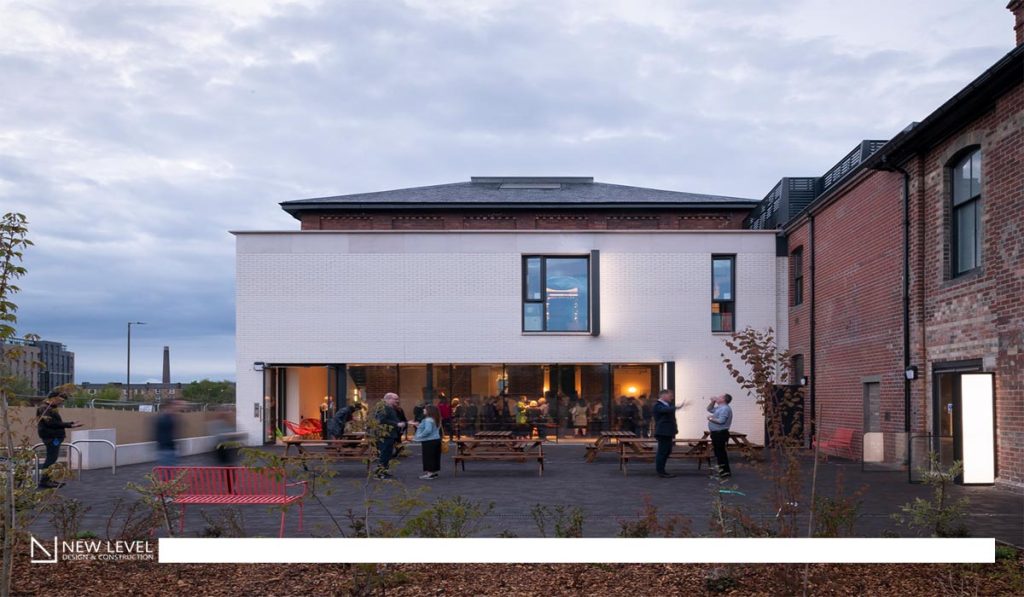
The case of Edinburgh showcases how city-wide strategies from retrofitting and adaptive reuse to promoting circular design can generate long-term benefits for both people and place. Its steady progress reminds us that sustainability is not a single policy or innovation but a continuous process of negotiation, collaboration, and renewal.