
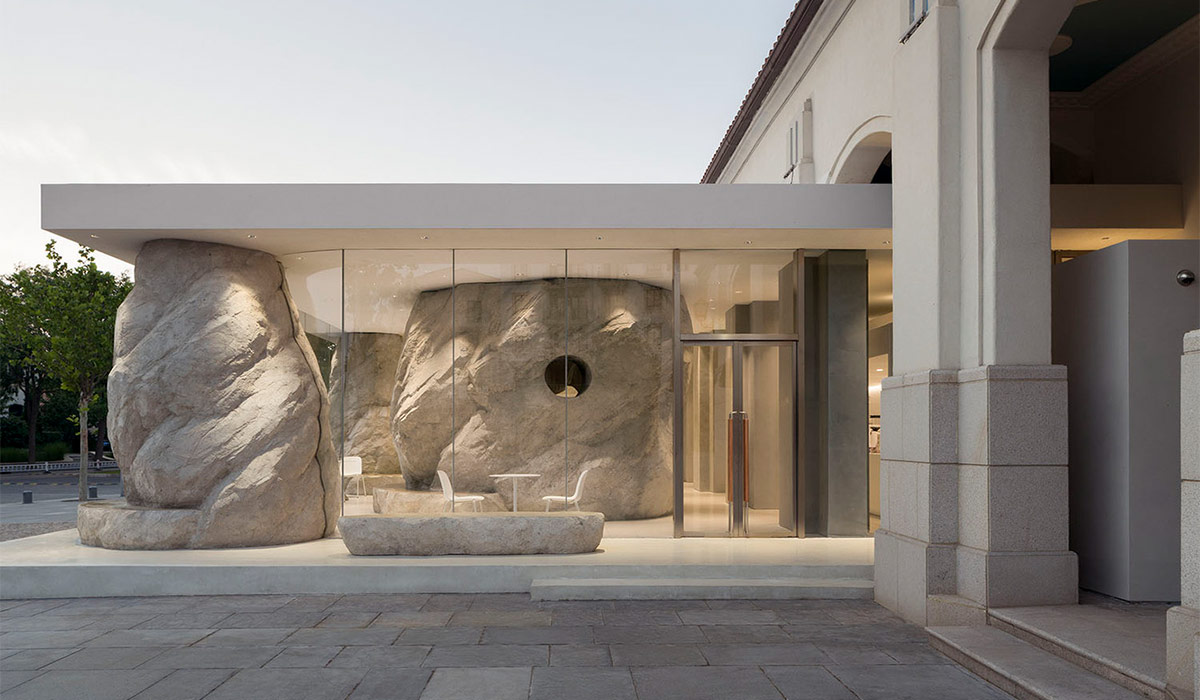
Biophilic architecture, even without the use of plants, enhances human psychological and physiological well-being by focusing on invisible principles such as prospect, refuge, mystery, and risk. Rooted in our evolutionary connection to nature, this approach relies on intelligent spatial design to reduce stress, improve focus, and strengthen spatial belonging — even in environments that lack actual natural elements.
May 3, 2025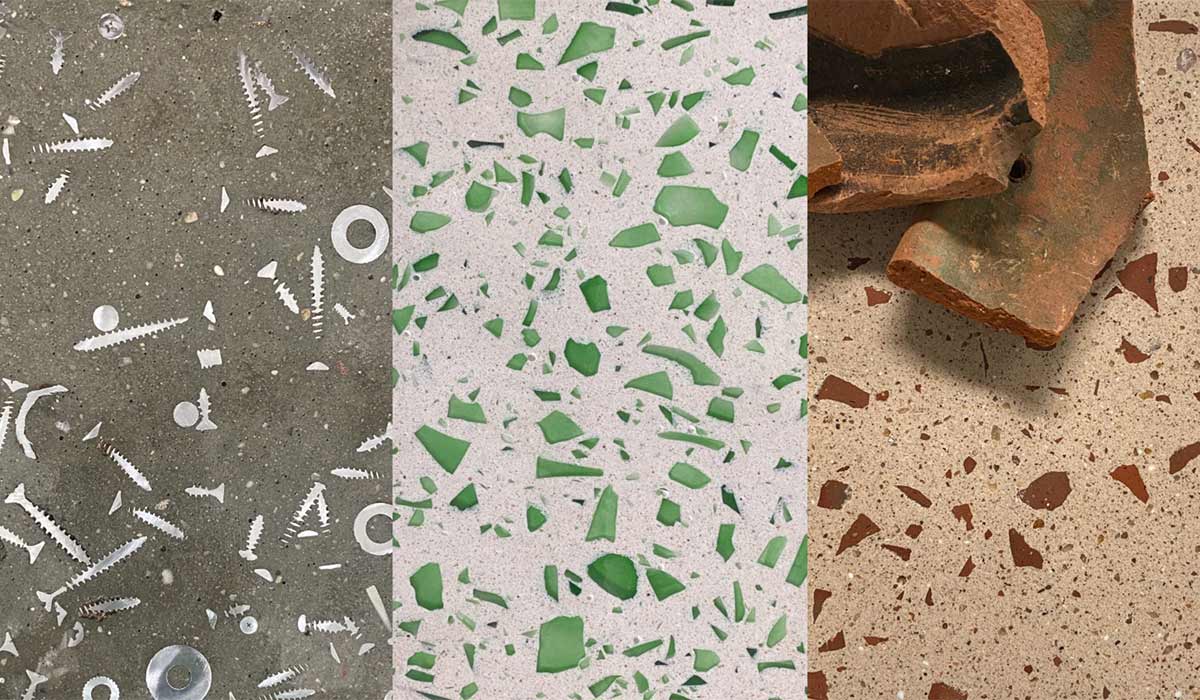
In the face of sustainability challenges in architecture, terrazzo — a material with traditional roots — has played a significant role in merging recycling and innovation. Originally developed in 15th-century Venice to repurpose marble offcuts, terrazzo today has found widespread application thanks to its durability, sustainability, and versatile design potential. Studios like Talpa Design in São Paulo and Foresso in London have creatively incorporated various waste materials such as glass, wood, and shells into the terrazzo production process. By creating products with unique visual identities and minimal environmental impact, they demonstrate that by reimagining existing resources, a more sustainable future can be shaped.
April 27, 2025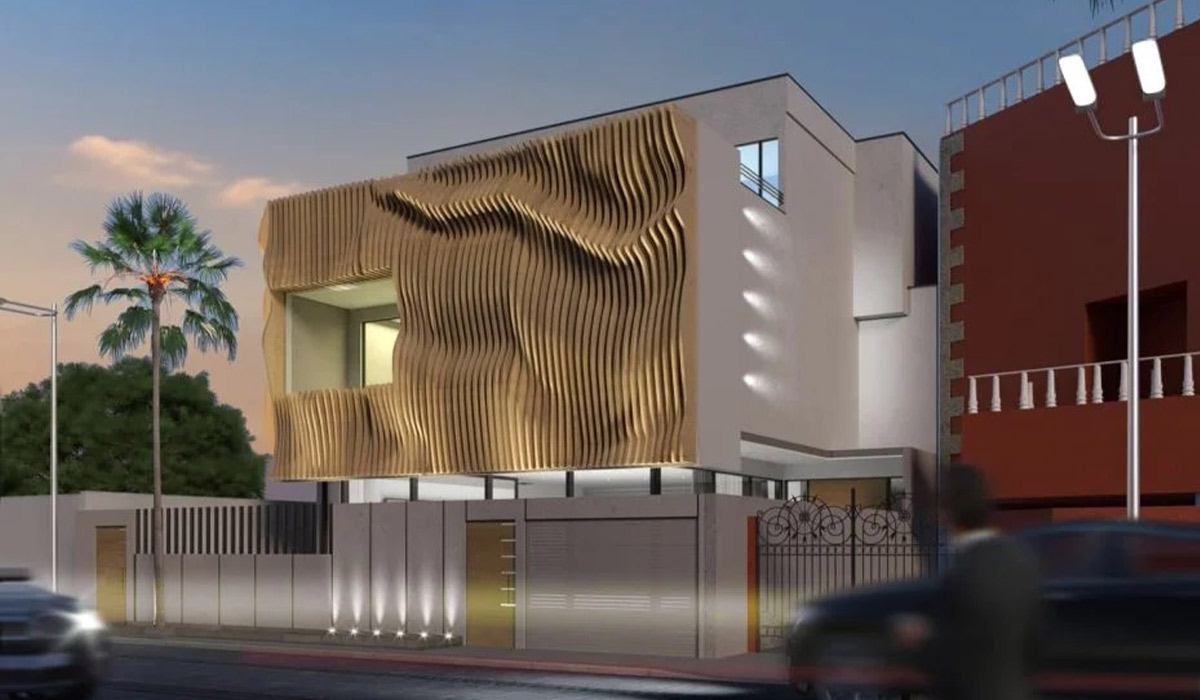
Villa design is a blend of luxury, comfort, and functionality, creating unique living spaces tailored to residents’ lifestyles through diverse architectural styles, open layouts, high-quality materials, and customized features. Emphasizing a connection with nature, sustainable principles, and attention to interior details, it offers a distinctive and refined living experience.
April 23, 2025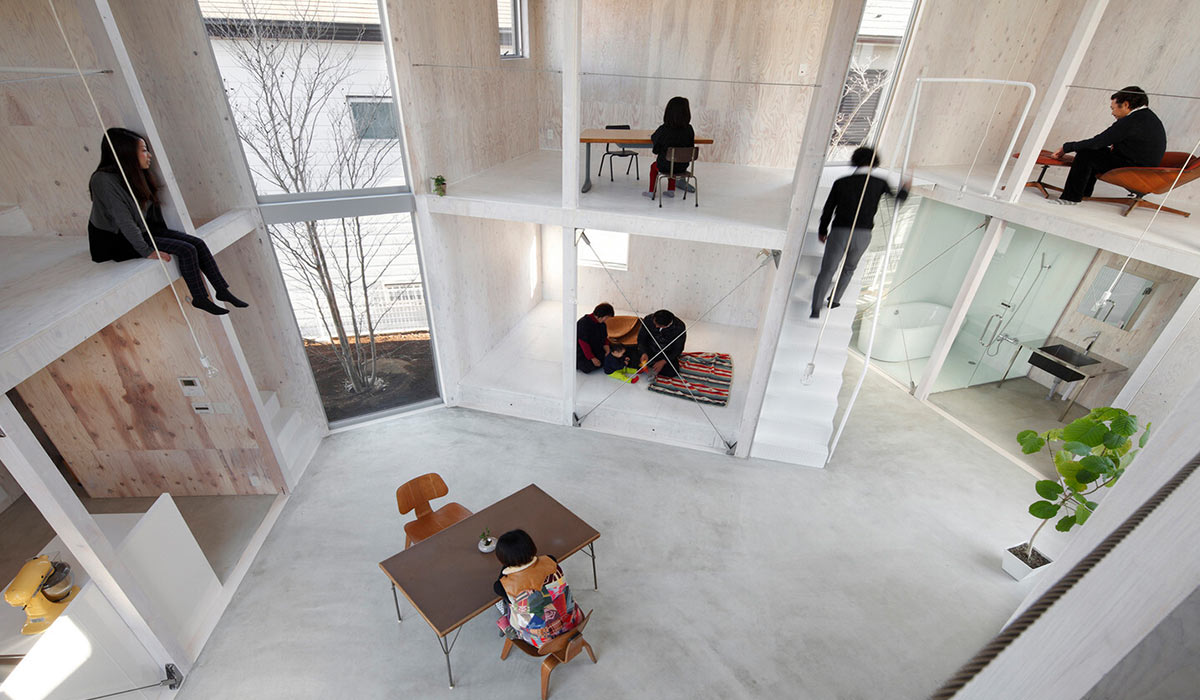
In today’s fast-paced and ever-changing world, designing multi-functional and hybrid spaces has become an essential response to the diverse needs of contemporary life. These spaces, through flexibility, modularity, and a focus on human well-being, allow for the integration of various functions within a single environment—from combining bedrooms with home offices to creating workplaces that adapt to shifting work styles. Such architecture not only enhances productivity and quality of life but also contributes significantly to environmental sustainability by minimizing new construction and adaptively reusing spaces, thereby reducing carbon emissions and conserving resources.
April 21, 2025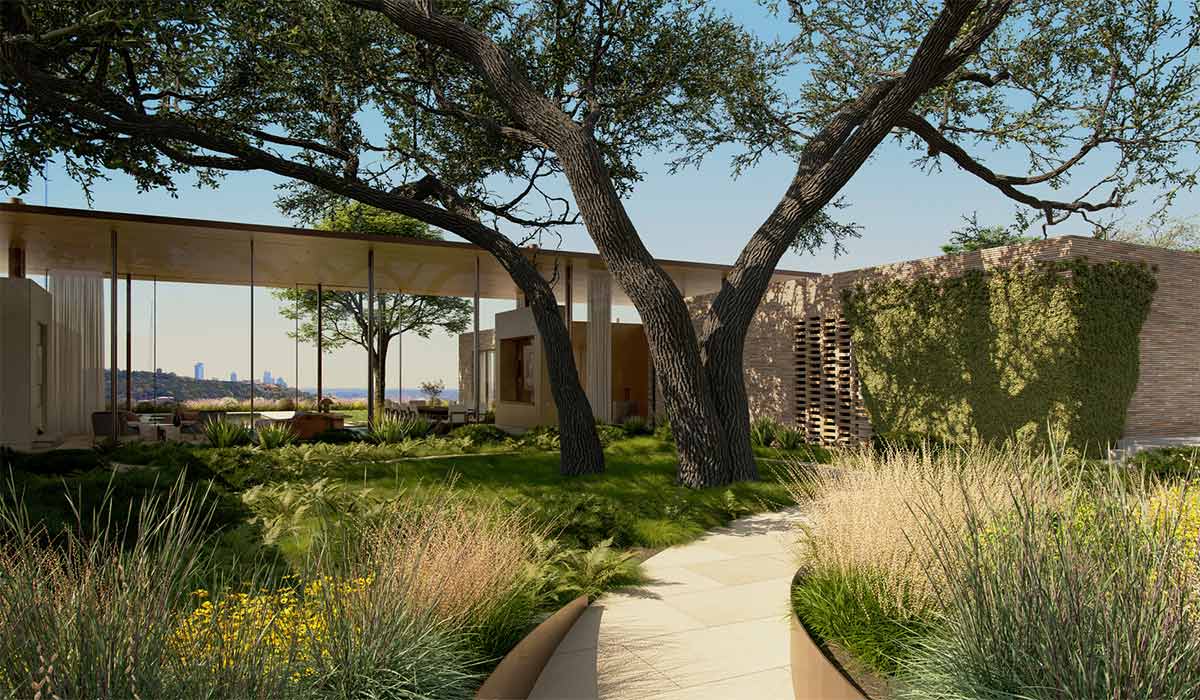
In a world where urban life is rapidly expanding, the integration of architecture with nature has become increasingly significant. This text introduces nine designed but unbuilt residences that seamlessly blend with their natural surroundings. Inspired by their environments and incorporating sustainable elements, these projects offer a serene and harmonious living experience. Located in Greece, Croatia, the U.S., Mexico, and Portugal, these residences utilize minimalist design, natural materials, and landscape integration to minimize environmental impact and enhance quality of life. This approach reflects a growing trend in contemporary architecture, where nature is not just a backdrop but an essential part of the design itself.
March 21, 2025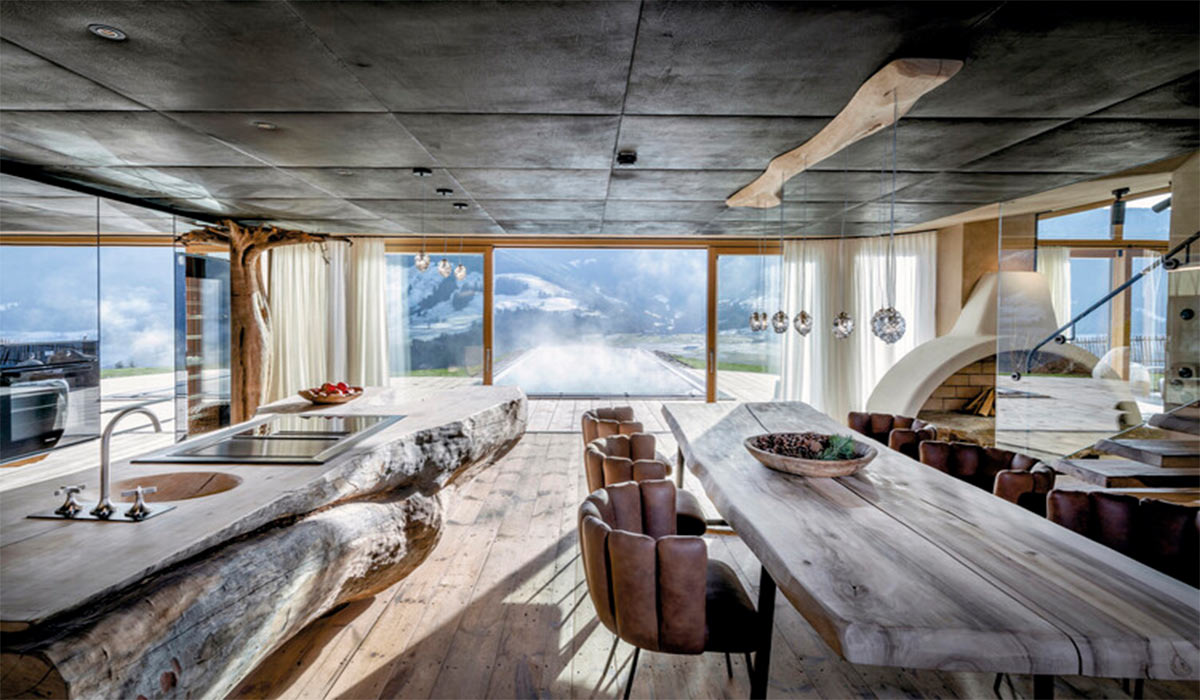
The Priesteregg Premium Eco Resort in Leogang, Austria, situated at an altitude of 1,100 meters, is a fusion of nature, sustainable architecture, and luxurious design. This retreat features 15 chalets and three unique villas, each embracing a distinctive approach to integrating nature with architecture. The villas utilize natural materials, organic design, and artistic details to offer a unique experience of tranquility and luxury. Additionally, a wellness retreat, harmoniously designed within the mountainous landscape, enhances the guests' experience with hydrotherapy technologies, providing a revitalizing and rejuvenating stay.
March 17, 2025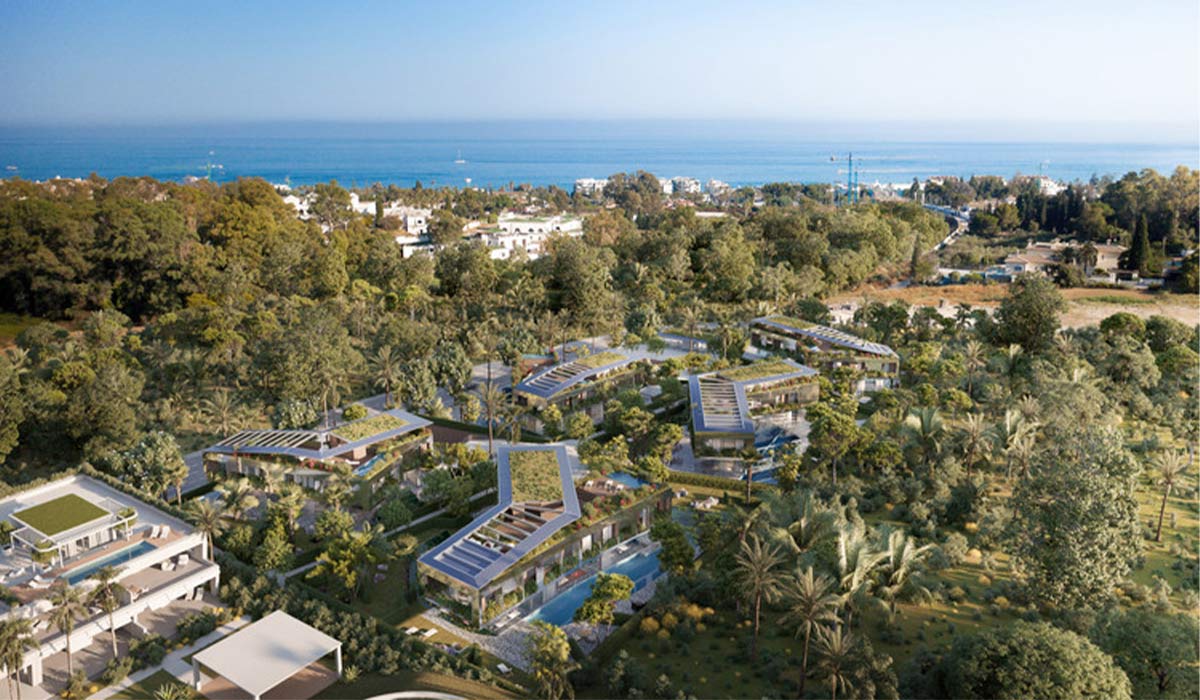
The Karl Lagerfeld Villas in Marbella, Spain, represent a fusion of luxury architecture and sustainability, designed in collaboration with KARL LAGERFELD, Sierra Blanca Estates, and The One Atelier. This five-villa project incorporates natural and recycled materials, offering a sustainable approach to luxury design. Andrea Boschetti, the project's architect, emphasizes the connection between architecture and fashion, noting that fashion brands are extending their identities into physical spaces. This project illustrates that luxury is no longer solely defined by expensive materials but by the quality of living and interaction with the environment.
March 17, 2025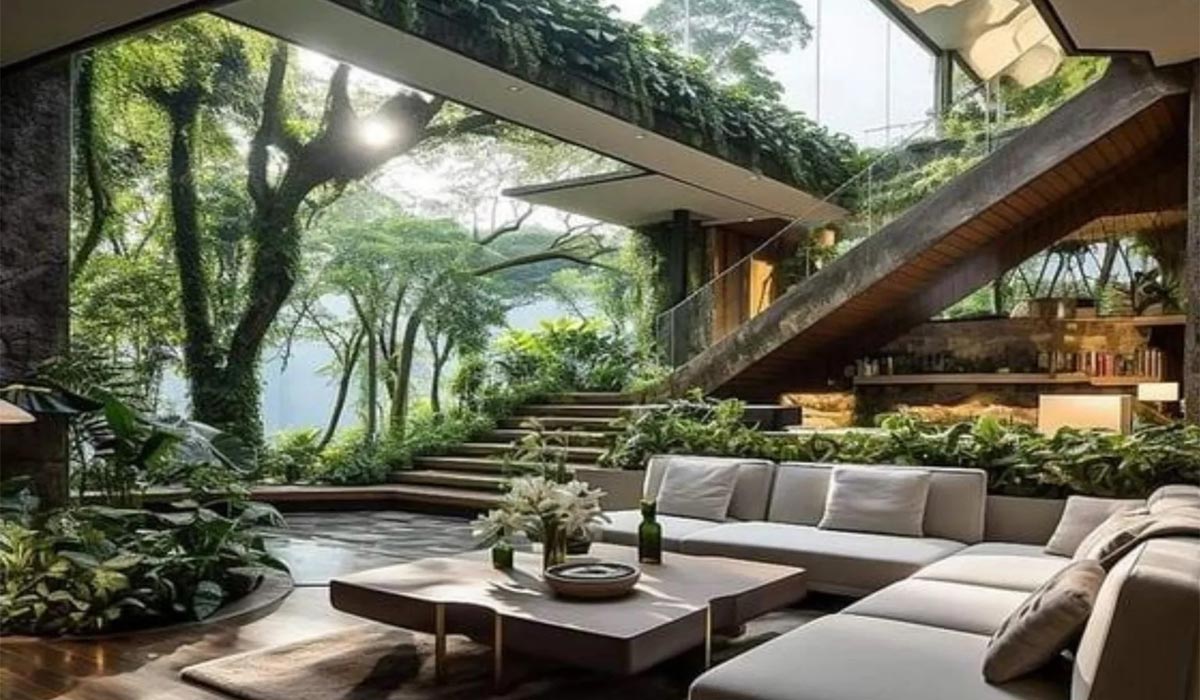
New trends in the design and construction of luxury villas in 2024 are shifting towards sustainability, energy efficiency, and the integration of advanced technologies. The Passivhaus standard, the use of sustainable materials such as FSC-certified wood and recycled concrete, as well as renewable energy sources like solar panels and geothermal systems, are among the most significant new approaches. Smart technologies, triple-glazed windows, bioclimatic design, and natural climate control play a crucial role in optimizing energy consumption and enhancing quality of life. Additionally, obtaining green certifications such as LEED and BREEAM, along with a focus on biophilic design, increases the value of luxury properties and drives them toward net-zero emissions.
March 15, 2025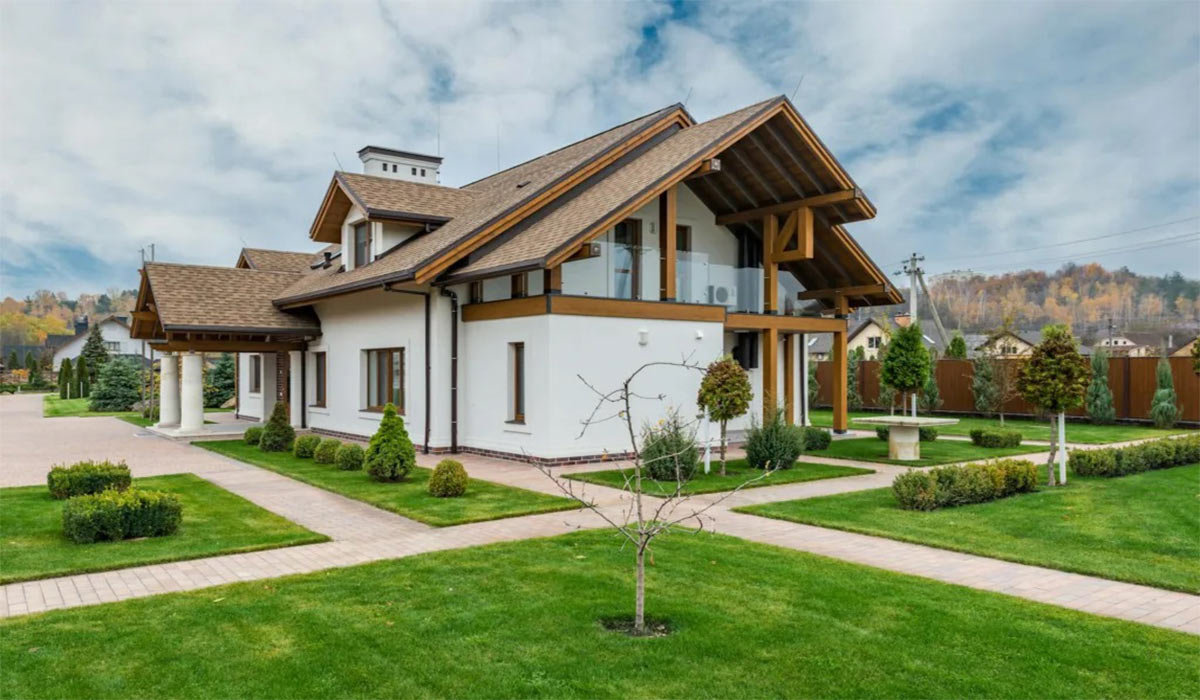
Building a luxury modern villa takes 12–18 months of careful planning. This complete guide covers every step: site selection, budget, hiring professional consultants, permits, durable & nature-responsive materials, and key construction tips for 400–1200 sqm villas.
March 12, 2025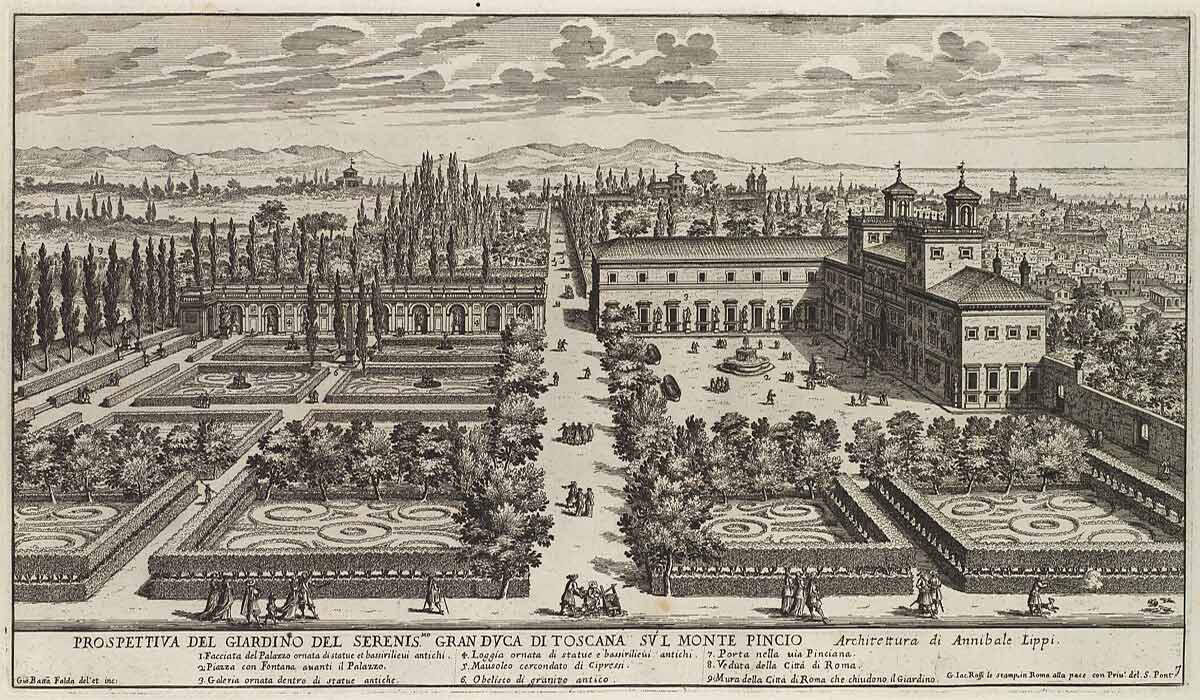
The concept of the villa has evolved from ancient times to the Renaissance as a place for retreat, leisure, and interaction with nature. From Roman villas to their reinterpretation in the Italian Renaissance and their subsequent global expansion, this architecture has always reflected the idea of an ideal lifestyle.
March 12, 2025