
Designing homes for small families isn’t about squeezing in: it’s about living better with less square footage. When we anchor decisions to how we actually live, mealtimes, assignments, bedtime stories, the drop‑zone tornado at 5 p.m., small homes feel generous, calm, and easy to run. Here’s how we approach designing homes for small families so every inch works hard today and adapts for tomorrow.
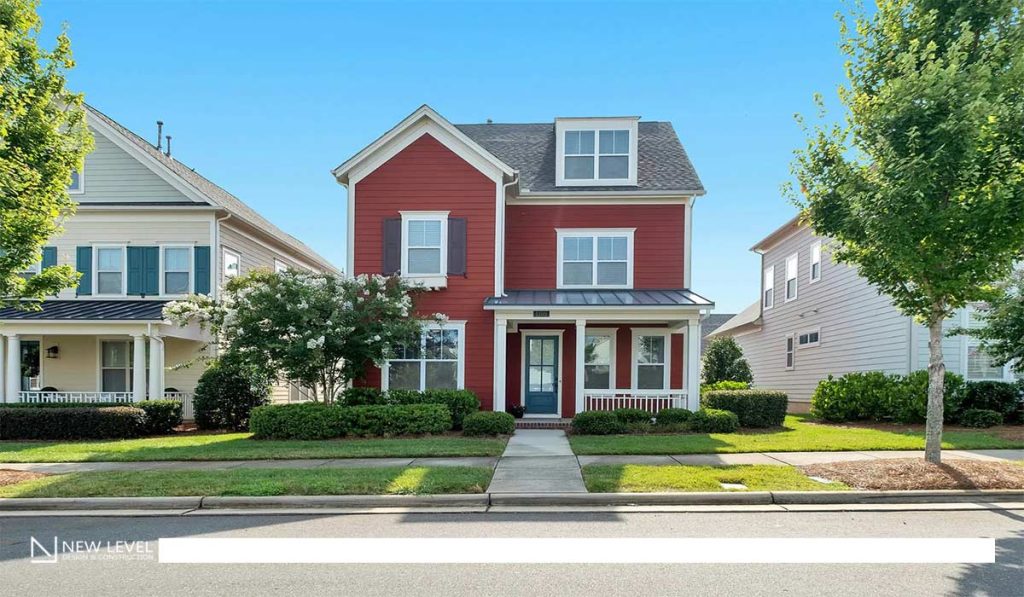
Before plans or Pinterest boards, we map the people and patterns. Who’s home most of the day? Do we work remotely? How old are the kids (and how fast are they growing)? We track daily touchpoints, morning rush, meal prep, wind‑down, laundry cycles, because these rhythms tell us where space is tight and where it’s wasted. This lens helps us right‑size the kitchen, plan quiet corners for calls or naps, and keep circulation clear.
We separate non-negotiables from wish-list items. A dishwasher and a full-height pantry may be must-haves, while a second living room might not be. We also decide where we’re comfortable compromising—perhaps opting for a smaller sofa to make room for a dining nook that seats six.
Designing a home for a small family means thinking long term. Will you need a nursery that can later become a study? Space for occasional stays by grandparents? Planning flexible rooms and smart storage now helps avoid costly renovations in the future.

We start with pathways. Minimizing door conflicts, widening narrow hallways (36″ or more where possible), and creating sightlines from the kitchen to play areas make a small home feel open and safe. Aligning doors and windows draws the eye through the space, visually expanding the rooms.
An open plan doesn’t mean one big, empty box. Use skylights, area rugs, and low shelving to create zones for cooking, dining, and lounging. An island or countertop can define the kitchen while conversation flows. These zones allow for entertaining, supervising kids, and easy movement—all without space-consuming walls.
Scale is everything. We choose a 72–78″ sofa instead of a 90″ monster, a round 42–48″ table to clear corners, and nesting or lift‑top coffee tables for double duty. In bedrooms, platform beds with drawers and wall‑mounted lights free floor space. Fewer, better pieces trump a crowd of undersized furniture.
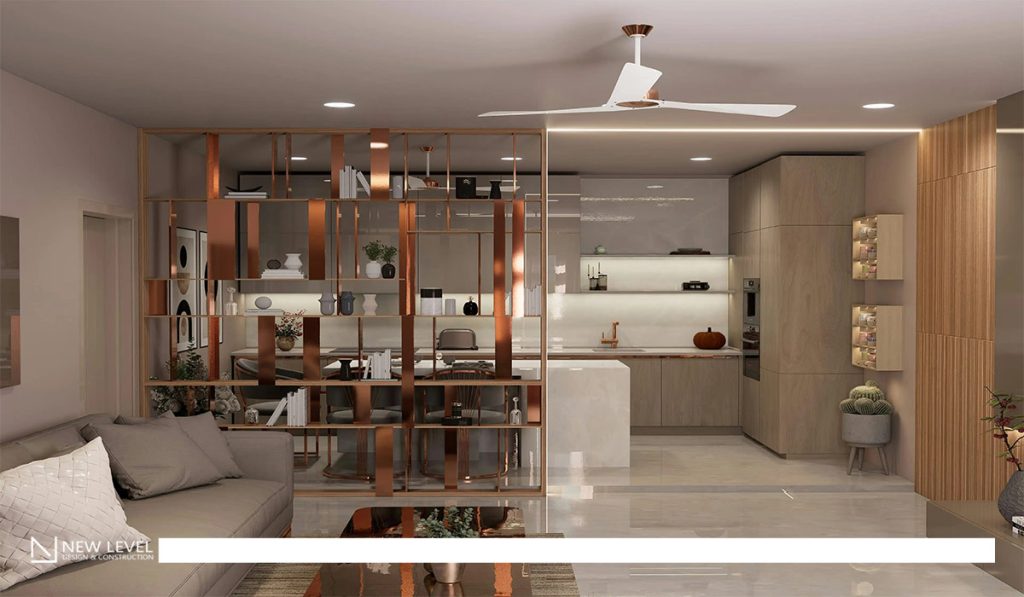
We design one room to wear three hats. By day, it’s a quiet office with a compact desk: by night, it converts to a guest room with a pull‑out or wall bed. For families with young kids, a playroom that morphs into a tween assignments den later saves money and disruption.
Hardware helps. Pocket doors reclaim swing space. Sliding screens carve out privacy for calls or naps without shutting off light. Murphy beds and flip‑down desks disappear when not needed, returning precious square feet to circulation or play.
We mine dead zones: under windows, landings, and alcoves. A 5‑foot niche becomes a assignments bar with task lights and cork wall. A window bay turns into a reading bench with deep drawers. Even a stair landing can host a Lego station or sewing setup if we contain it with cabinets.
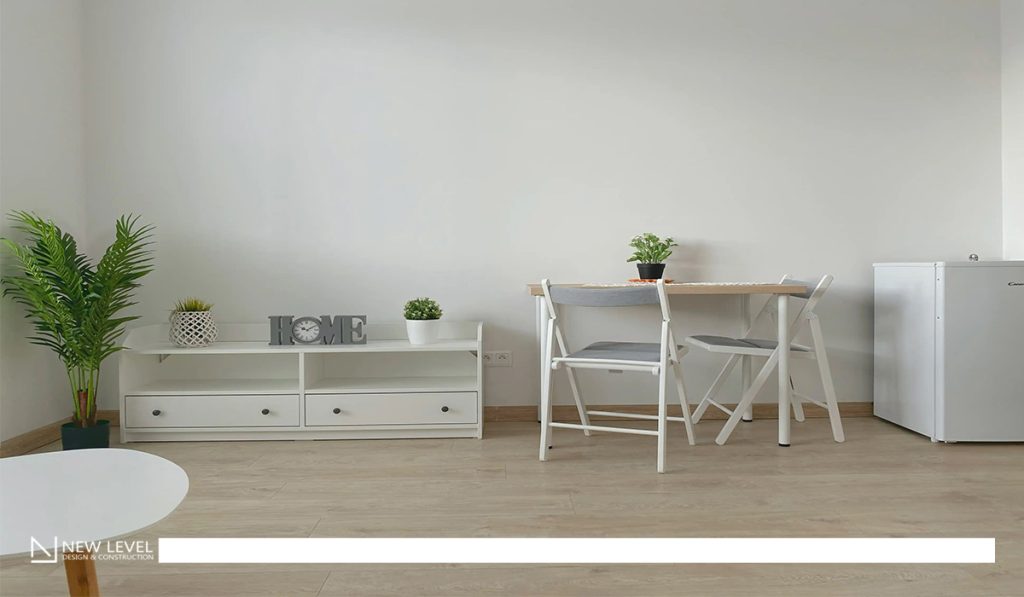
Clutter starts at the door. We plan a drop zone with wall hooks at kid height, a bench with shoe drawers, a mail/key tray, and a charging shelf. Durable floor tile or LVP plus a washable rug keeps the mess contained.
We go up and in. Floor‑to‑ceiling wardrobes, tall pantry pullouts, and full‑height bookcases use volume, not footprint. Under‑stair drawers, slide‑out cleaning closets, and built‑in window seats add hidden capacity that renters and buyers love.
When kids can reach it, they can put it away. We label bins with pictures, use open cubbies for daily gear, and dedicate a low shelf in the pantry for snacks. Sturdy baskets and soft‑close hardware protect fingers and sanity.
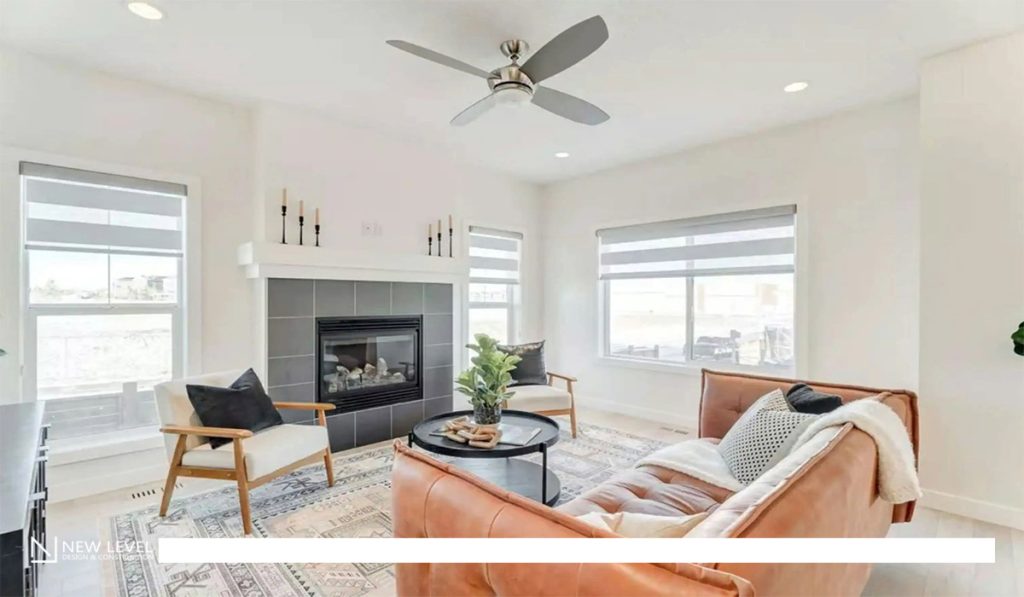
The kitchen carries family life. We prioritize a hardworking work triangle, 36″ clear aisles (42″ if two cooks), and a landing zone beside the fridge. A banquette saves space and seats more kids, while a peninsula with counter stools covers breakfast and assignments supervision. Good task lighting beats oversized pendants that glare.
For the main bedroom, we aim for calm: blackout shades, dimmable lights, closed storage. In kids’ rooms, we choose bunk or loft beds to free floor area and add under‑bed drawers. A shared dresser with dividers can serve two siblings if closet space is tight.
In compact baths, a 60″ tub‑shower combo and a floating vanity keep things airy. Recessed medicine cabinets and niches handle the small stuff. If space allows, a stacked washer/dryer near bedrooms shortens laundry loops: a slim linen cabinet in the hall beats juggling towels between rooms.
We chase light. Align windows across rooms for cross‑breezes, add a skylight over stairs, and keep window treatments light. Mirrors placed opposite windows bounce daylight, making small rooms brighter and bigger.
A 6×10 patio can function like another room. We use foldable furniture, a vertical garden, and an outdoor storage bench for toys. Even a Juliet balcony with a door that swings wide expands perceived space and improves airflow.
Families touch every surface. We specify low‑VOC paints, solid wood or low‑emission plywood, and durable finishes that clean easily. LED lighting, smart thermostats, and better insulation trim bills and noise. Small homes already save energy: thoughtful choices amplify that advantage.
Designing homes for small families is a design puzzle we genuinely enjoy: align the plan with real routines, make rooms do more, and bake storage into the bones. When we get the flow right and let light in, a modest footprint lives large, and stays that way as needs change. Start with your family’s non‑negotiables, pick versatile pieces, and let every square foot earn its keep. The result isn’t just efficient: it’s easy, warm, and ready for everyday life.