
The discussion around artificial intelligence in architecture is no longer just a hype wave; today, the focus is on practical applications and tangible impact. In this context, the role of AI in sustainable architectural design has become more prominent than ever. Architects and design firms are exploring how intelligent tools can enhance innovation, improve efficiency, and create a competitive advantage. At the same time, ethical and legal concerns have become increasingly significant.

In the coming years, AI is expected not only to streamline design processes but also to redefine the architecture profession itself. Within the context of AI’s role in sustainable architectural design, machines can handle climate data analysis, energy simulations, and resource optimization, allowing architects to focus on ideation, spatial quality, and human experience. This synergy between human creativity and algorithmic precision accelerates the advancement of sustainable architecture.
In the context of examining the practical role of AI in sustainable architectural design, attention to real-world applications is particularly important. For instance, the article “How are AI Systems Assisting Architects and Designers?” provides a detailed analysis of how AI-based tools contribute to modeling, climate data analysis, energy optimization, and the acceleration of design decision-making. This integration of technology and the design process demonstrates that purposeful use of AI can enhance project efficiency and make achieving sustainable architecture more feasible.

Despite these capabilities, concerns persist regarding privacy, intellectual property, and data bias. According to the ArchDaily report “The State of AI in Architecture,” around 30% of architects expressed worries about using AI in their profession. While 75% believe the technology can drive meaningful innovation, nearly 80% emphasize the need for clear ethical guidelines and frameworks. These figures indicate that technology development without responsible governance can pose significant challenges.

One of the most significant challenges is intellectual property. When AI models are trained on copyrighted data or their outputs resemble the works of other architects, questions arise regarding authorship and originality. Additionally, bias in training data can favor Western design patterns while overlooking local, cultural, and climatic contexts—directly conflicting with the goals of sustainable architecture. The approach of “responsible AI” is emerging to address these issues. Companies like Chaos are developing human-centered tools that prioritize data transparency, diverse design perspectives, and the preservation of creative authenticity. This approach demonstrates that innovation can advance within an ethical and sustainable framework.

Ultimately, the future of architecture will not be defined by the replacement of humans, but by intelligent collaboration between architects and machines. When ethical frameworks and data transparency are properly implemented, AI’s role in sustainable architectural design can become a powerful tool for reducing energy consumption, optimizing resources, and creating environmentally responsive spaces. The path ahead is complex, but with a responsible approach, this transformation is set to become one of the most significant milestones in the evolution of contemporary architecture.
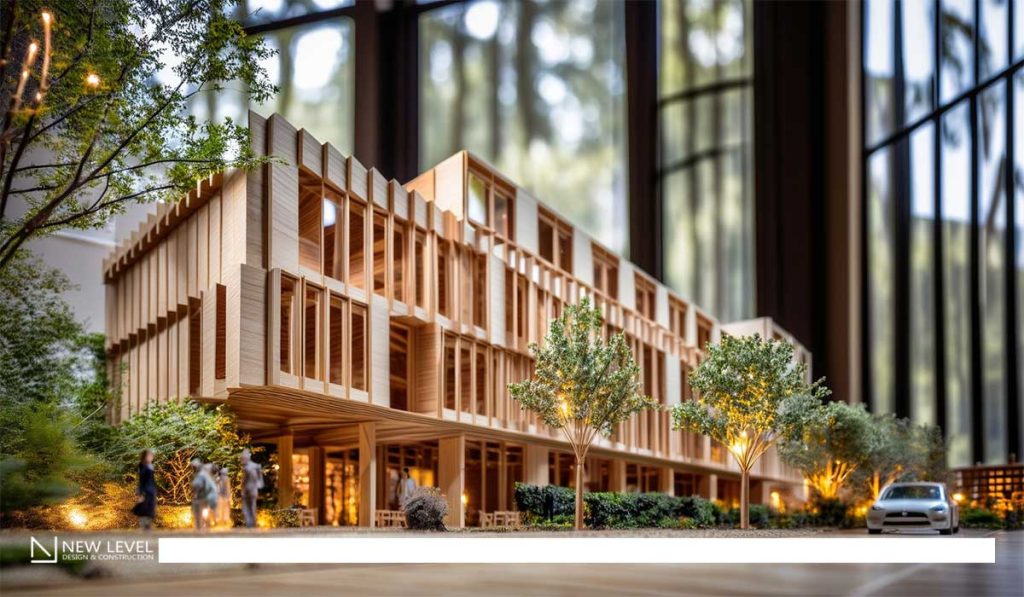
The Role of Responsible AI in Transforming Architectural Practices and Design – ArchDaily